
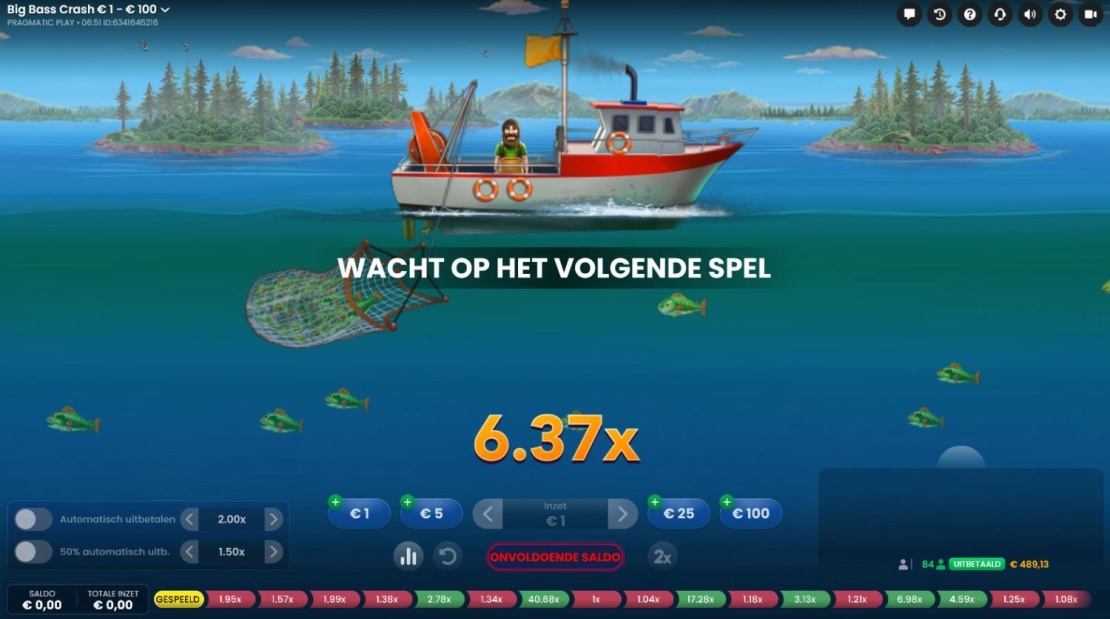

Rapid responses matter in Big Bass Crash, but watch a top UK player and you’ll see something else. The real difference is in their thinking. The game’s psychological pull is as fierce as its glowing multipliers. The key isn’t just guessing when the multiplier will crash. It’s controlling your own emotions to the dramatic shifts. This article explores the mental routines and approaches these professionals use. They develop discipline, manage risk, and execute clear judgments when the pressure is on. We’re looking past the basic button presses to the fundamental mentality that transforms lucky hits into steady, strategic play.
The Mindset of Volatility and Risk

Big Bass Crash is a experience of controlled exposure to extreme swings. The counter goes up, the pressure mounts, and the potential reward calls out enticingly. UK pros don’t see this as a passive spin of the wheel. They recognize a series of strategic decisions. They approach each round as its own standalone moment. The last crash doesn’t affect the next one, a concept called result isolation. This mindset kills the dangerous idea of pursuing losses or assuming a crash is “due.” Their preparation starts with a clear, hard reality: the game is unpredictable. Once they grasp it, short-term swings stop hurting emotionally. They launch a game already at peace with the idea of taking a loss. This appears odd, but it liberates them. It allows clear thinking. While amateurs burn mental fuel on frustration or thrill, pros focus that energy into their personal risk rules. For them, uncertainty becomes a landscape to read, not an adversary to battle.
Embracing the Unknown
A core part of this mindset is drawing a bright line between what you are able and unable to manage. Pros keep two internal lists. One list holds the things they handle: their wager amount, when they click cash-out, how long they stay in the session, their feelings. The other list has a single thing: the specific instant the multiplier crashes. They train their attention entirely on the initial set. This cuts down on anxiety and the slow drain of decision fatigue. Many practice this through focused mental exercises, visualizing the crash as a chance happening, like a coin flip. The goal is to act with a calm, strategic decision, not a hot jolt of adrenaline. This doesn’t mean being cold. It’s about building a protective layer between the outcome and your own mental equilibrium. When the crash hits, you seek a tactical response, not an emotional meltdown.
Focus and Concentration Techniques
Big Bass Crash is quick and repetitive. Attention can stray, and that’s when mistakes occur. Pros use specific methods to keep their focus sharp. A common one is divided play. They’ll play a set number of rounds, say fifty, or stick to a strict twenty-minute block. Then they take a required break, no exceptions. This counters “autopilot mode,” where reactions slacken and discipline falters. While playing, they practice focused attention. They tune into the game’s visual climb and rising soundtrack, and consciously tune out distractions like chat boxes or phone pings. Some even use a soft voice in their head, describing their actions. “Bet placed. Cash-out set at 7x.” This verbal cue strengthens intentionality. This state of intense focus lets them detect their own bad habits in real time, like the urge to let a bet ride too long during a good run, so they can correct it immediately.
Controlling Tilt and Emotional Spikes
No one is immune from tilt—that wave of frustration that obscures judgement. The professional advantage isn’t in escaping it, but in having a protocol for it. Step one is identification. They’re tuned in to their own physical signals: a more rapid pulse, a clenched jaw, the urge to place a hasty bet. The moment they spot it, the response is swift and non-negotiable: a full stop. They rise from the screen. They follow a pre-planned cool-down, maybe a walk around the room, drinking a glass of water, or doing a sudoku puzzle. The key is they don’t negotiate. “Just one more round” is not an option. Their mental prep includes normalizing tilt. It’s not a failure; it’s a component of the process. By taking the shame out of the emotional spike, they avoid the secondary frustration of being frustrated. That lets them recover and get back to equilibrium much sooner.
Bankroll Management as a Psychická Disciplína
Lidé mluví o bankroll management like it’s jen matematiku. For a pro, jde o psychologickou ochranu. It’s where jejich riziková teorie potkává praxi. Britští hráči které vidíme define bankroll pro seanci jako peníze které jsou plně připraveni se vzdát. Oddělují ho od výdajů na živobytí, jak v peněžence i v mysli. Opravdová kázeň se projevuje v neochvějném závazku k sázení v jednotkách—kde každý vklad is a tiny, fixed slice z celku—a k striktním limitům ztrát. Tito profíci don’t see tato pravidla jako pouta. Chápou je jako svobodu. Zásady automate the toughest call of all: vědět, kdy přestat. Během prohrávající série, mysl volá zdvojnásobit sázku a honit ztrátu. Their preparation involves pre-committing. They decide the limits když jsou klidní, aby když je horko, the choice is already made. Toto proměňuje bankroll management from a dry calculation v ostré cvičení v emocionální kontrole.
Creating a Pre-Game Ritual
The cognitive work starts well before the first bet. UK pros treat a session like a musician treats a gig. They require a routine to enter the zone. A steady pre-session practice functions as that gateway. It shifts the brain from everyday clutter into a mode of focused intent. For some, this entails a brief period of calm breathing to calm the nerves and sharpen concentration. Others could access a basic text file with their fundamental rules—bankroll limits, loss ceilings, cash-out thresholds. The ritual’s actual job is to force a pause. It establishes a buffer between the desire to gamble and the action of gambling. In that pause, they set their objectives. These are almost always about method, not winnings. A strong goal is “I will cash out at 5x every time.” A poor goal is “I must win £50 today.” That cognitive anchor becomes a lifeline later when the game gets choppy, a fixed point to refer to.
Session Analysis and Review
For these users, the mental work isn’t over when they close the game https://bigbasscrash.eu/. A systematic post-session review is where enduring progress is made. They spend a few minutes to assess their performance against their process goals, not their profit or loss. They ask simple questions. Did I adhere to my cash-out points? Did I keep my bankroll rules? Did I spot my tilt and manage it? They might write a line or two in a notebook. The point is to separate the quality of their decisions from the randomness of the result. A losing session where they adhered to every rule goes down as a win for discipline. A profitable session where they broke their own strategy gets marked as a loss. This habit strengthens the right mental model. It teaches their self-assessment to focus on controllable actions, building a mindset oriented toward refining their process, over and over.
Developing Long-Term Stamina
Sustained success in Big Bass Crash is a marathon. The veterans know that mental resilience is forged brick by brick, through daily practice of these principles. They tie their gaming mindset to their overall lifestyle habits. Good sleep, decent food, and some physical exercise are not merely healthy; they’re performance enhancement. They also practice deliberate detachment. They have hobbies and friends that have nothing to do with gaming. This preserves their perspective healthy and prevents burnout before it starts. This holistic view ensures they have the mental stamina for those high-focus sessions. They see each game not as a isolated drama, but as a single point on a long chart of self-mastery. That long view lessens the blow of a sudden crash and balances the thrill of a big win. This perspective is the last, and most robust, mental buffer. It redefines the game from a rollercoaster of tense moments into a sustainable practice of disciplined choices.
The strategic edge in Big Bass Crash, as shown by top UK players, is won in the mind. It’s developed through deliberate routines, a stubborn adherence to personal rules, and a systematic way of handling emotions. By concentrating on what they can control—the pre-session ritual, the bankroll discipline, the focused play, the honest review—players can traverse the game’s inherent chaos with clarity and grit. This mindset alters the game. It moves play from reactive betting to proactive strategy. The main opponent isn’t the random number generator. It’s your own built-in biases and knee-jerk impulses. Adopting this framework is the deepest, most effective preparation a player can ever do.